Photography Series by Mohammad Ghazali
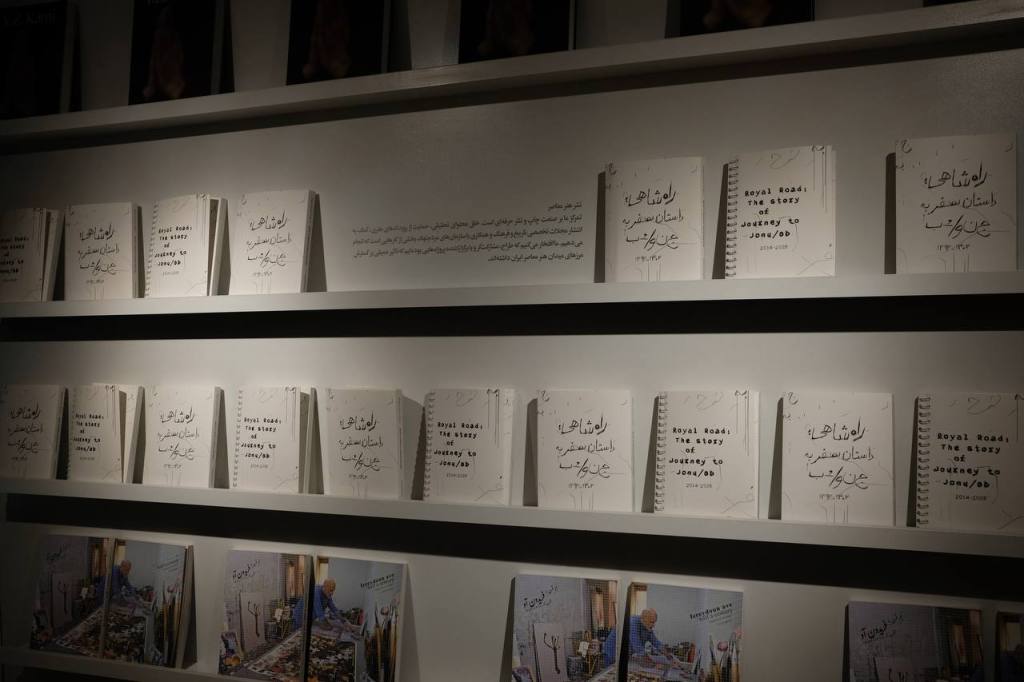
In search of “meaning”
Reclaiming the Untouched-by-Light Negatives of the Royal Highway Project is a visual
study in eliminating the photographer and delimiting the authoritarian role of the author in
contemporary photography apropos recent experimentations of Setayesh Zali in
photography. The outline of this journey came about, in fact, through a non-recording of the
Real (as a locus of memory) through photography. For some time now, our photographer,
Setayesh Zali, has decided not to take souvenir photographs. He sees and touches the
world around him without a camera. He no longer feels that he has to include himself, as a
memento, within the frame of the photograph. As such, the photographer sees and saves
the details of his sensory experience to memory. By seeing and remembering the exact
details, he in fact inscribes the Real onto himself. Two years ago, a friend suggested a
journey through a string of cities in the south of Iran to retrace what is known as the Royal
Highway. On this journey, Setayesh Zali decided to tote his camera along and go back on
his resolution not to take souvenir photographs and, along the way, wherever they stopped
or when there was an opportunity, he would take photographs, of the land below and
sometimes distant scenes. He shot three rolls of film on this weeklong expedition.
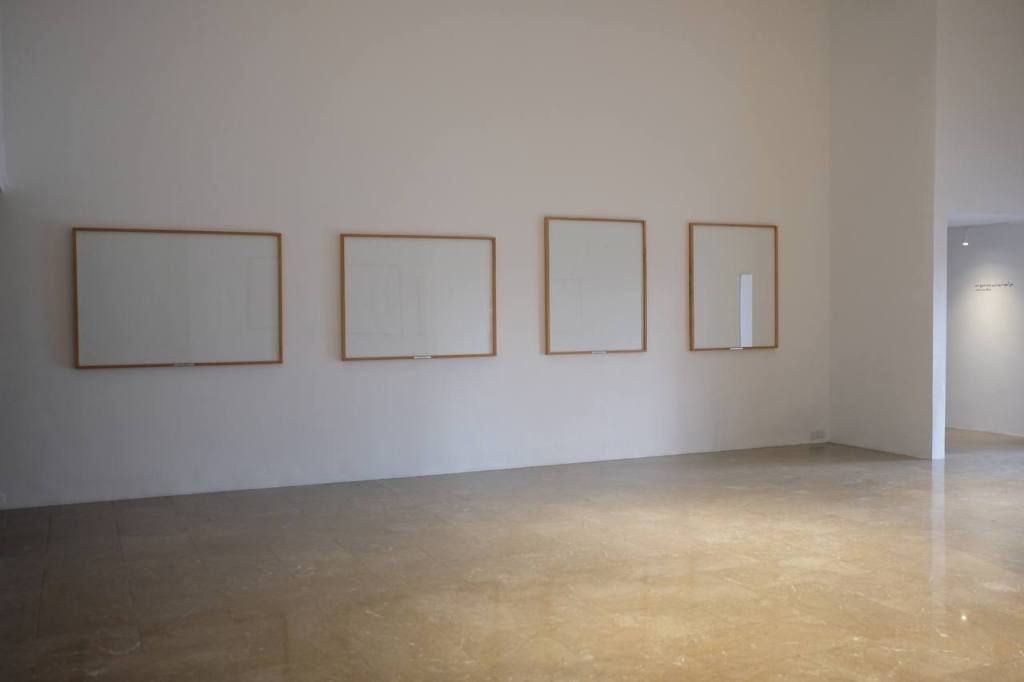
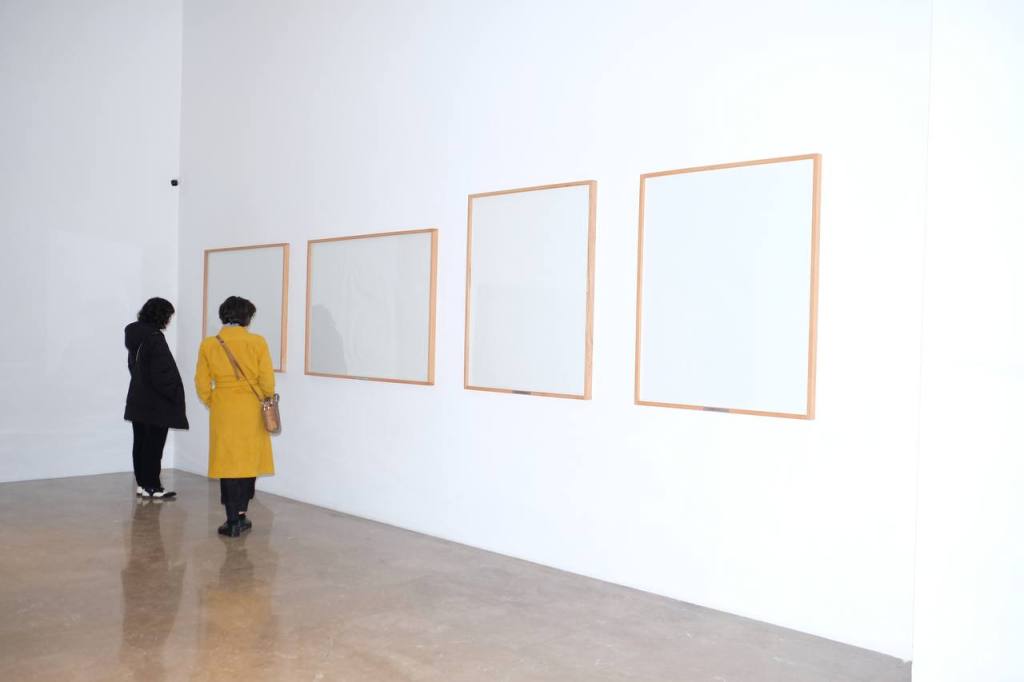
Returning home, he took these rolls to a studio to develop. Lo and behold! The negatives
had remained untouched by light. A mechanical problem caused the shutter to remain
locked. Everything was white, filled with the nothing of “thing” and “no thing”. Bewildered
and distraught, he chafed inwardly. But the memory of the Royal Highway didn’t leave him.
He thought about the photographs that he took, to the fact that he had decided not to take
pictures to begin with, and in this way became preoccupied with the images of that
expedition. Was this episode telling him that he was no longer a photographer? 6 Or
perhaps what happened had to happen for him to appreciate “illusion” and acknowledge
his ghosts. He had promised to show his photographs, collected in an album, to friends
and acquaintances, and to show them for years to come on fitting occasions. His
preoccupation with images of the Royal Highway turned into obsession. Setayesh Zali
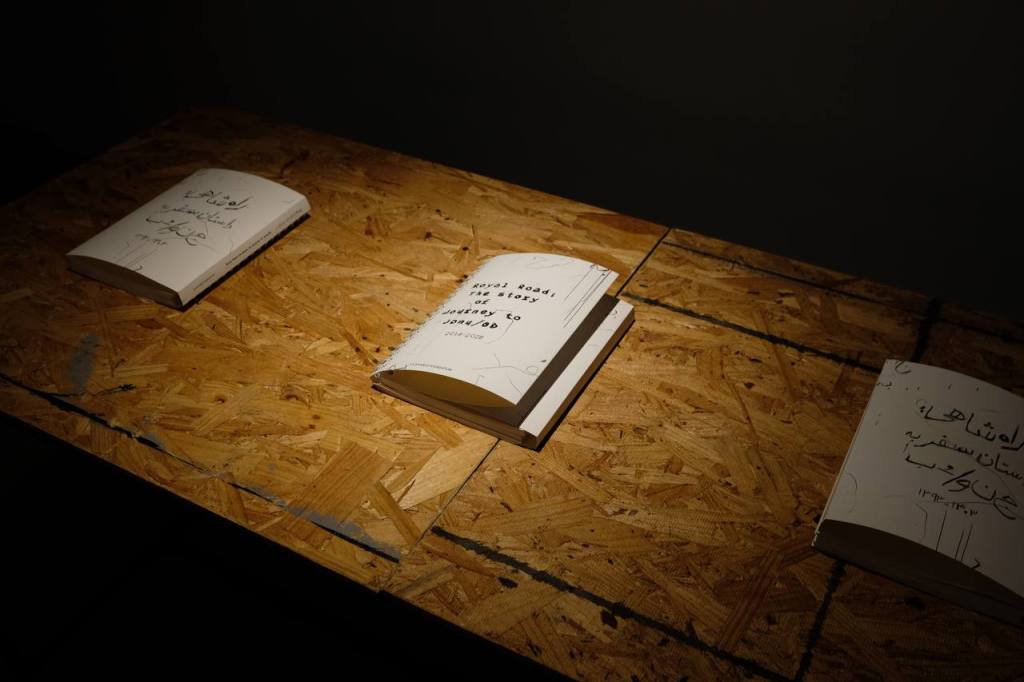
ultimately decided to work on the full-of-no-thing negatives. How could he bring onto paper
the images that had etched themselves in his memory? “How can memory be reflected on
paper as photograph?” he asked. He began by putting the memory of those images into
writing. Meanwhile, he read about a French economist who, having witnessed the atrocities
of WWI, became convinced that the end is near for Earth. Acting upon this conviction,
Albert Kahn tried to find a way to record as many images of the planet. He traveled around
the globe and picked individuals to take photographs in every corner. He thus built a
remarkable and one-of-a-kind archive. Our photographer took the matter of putting
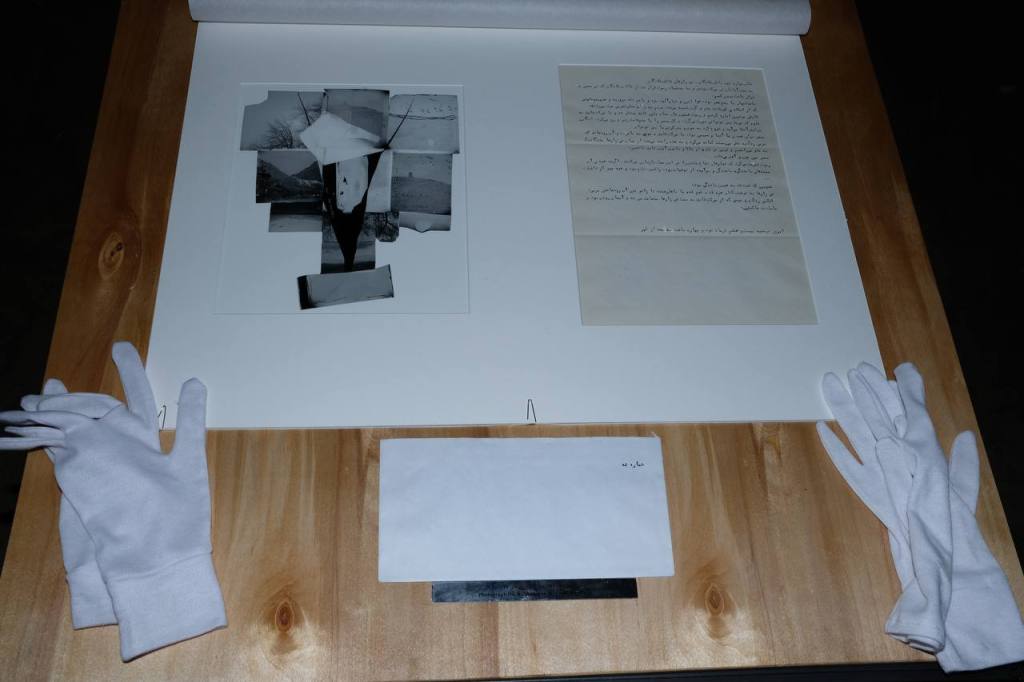
memory into writing more seriously and started to trace (weave) details in his written notes.
At the same time, he asked several photographer artists to reconstruct or represent the
Real through his notes, creating a photographic reality. Our photographer believed that this
strategy would quicken the process of eliminating the author. Such a process may
additionally engender new images that can reflect those that failed to become manifest. It
also fulfilled the yearning for an empirical Real, an inner jouissance akin to a profound
sexual joy, a visual orgasm emanating from the mind. With the mind we can understand the
Real better, at a closer range, and deeper, the way we couldn’t have imagined.
 Lajevardi Foundation